
FIAT

1899 – L’ATTO COSTITUTIVO
L’undici luglio 1899, a Palazzo Bricherasio, viene firmato l’atto costitutivo della “Società Anonima Fabbrica Italiana Automobili Torino”. Trenta azionisti per un capitale sociale di 800 mila lire. Tra i membri del consiglio di amministrazione, Giovanni Agnelli, subito in luce grazie ad un dinamismo unico.
1900 – FIAT 3 1/2 HP Nel 1900 in Corso Dante 35 viene inaugurato il primo stabilimento Fiat. All’interno dei suoi 12.000 mq, lavorano 150 operai. Durante questo anno vengono realizzate trenta 3 1/2 HP, una due/tre posti “vis à vis”. Piccola curiosità la vettura non è ancora dotato di retromarcia.
1902 – FIAT 24 HP CORSA Al primo giro d’Italia Automobilistico, 9 vetture Fiat arrivano tutte al traguardo. Nel 1902 viene presentata la 24 HP Corsa, la prima vera e propria vettura da competizione Fiat. Pilotata da Vincenzo Lancia, vince nella corsa in salita Sassi-Superga. Al secondo giro d’Italia Automobilistico Giovanni Agnelli stabilisce il record su Fiat 8 HP.
1906 – FIAT 40 HP CORSA Nel 1906 i dipendenti Fiat sono diventati 2.500 e le esportazioni ammontano ai due terzi della produzione; negli Stati Uniti la Fiat conquista una fetta di mercato mentre in Italia rileva le officine della Ansaldi, adibite alla produzione di vetture leggere a 4 cilindri. Vincenzo Lancia conquista la Coppa d’Oro a Milano, e mentre Mathis su Fiat 40 HP si aggiudica la Targa d’Oro della Coppa Herkomer.
1908 – FIAT 1 FIACRE Nel 1908 nasce la Fiat 1 Fiacre di cui vengono prodotti 1600 esemplari. Il mezzo, dedicato al trasporto pubblico, viene adottato a New York, Londra, Parigi e in molte altre città. Con questo veicolo, per la prima volta, la Fiat adotta il propulsore a “barca”, dove il motore incorpora il cambio nel carter.
1910 – FIAT TIPO 3 Nel 1910 la Fiat rinnova totalmente la propria produzione: nascono le Tipo 1,2,3,4,5,6 che presentano per la prima volta gli accumulatori elettrici. Con la Tipo 3, chiamata anche 20-30 Hp, viene adottata la trasmissione a cardano, brevetto Fiat. Per quanto riguarda le competizioni, le vetture Fiat vincono la Coppa del RAC di Spagna, stabilendo a Los Angeles, Atlanta e Narbeth numerosi record di percorrenza, vincono in cinque categorie sulle piste argentine.
1911 – FIAT 300 HP RECORD La Fiat costruisce la 300 HP Record appositamente per battere il record mondiale di velocità. Il suo motore da 28.353 cm3 di cilindrata e con una corsa di 25 cm, eroga 290 cavalli. Nel 1911, pilotata da Pietro Bordino, tocca i 200 km/h a Brooklands e Saltburn. Nell’aprile del ’12, a Long Island, percorre il miglio a 290 km/h.
1912 – FIAT ZERO Il 1912 è l’anno della Zero, conosciuta anche come 12/15 HP, la prima vettura di ridotta cilindrata costruita in serie: ne vengono prodotte circa duemila. Nel 1915, ultimo anno di produzione, verrà equipaggiata con impianto elettrico. Sempre nel 1912 viene costituita la Fiat Lubrificanti, mentre in Russia nasce la prima succursale italiana per la costituzione di vetture e ricambi.
1915 FIAT 501 Nel 1915 la Fiat produce circa 1000 esemplari della vettura media Fiat 501, quasi tutti forniti al regio Esercito. Con questa vettura la Fiat abbandona la soluzione a “barca”. Nella carrozzeria si nota l’allargamento del divano posteriore che permette la sistemazione di tre persone.
1919 – FIAT 501 Nel 1919 viene presentata la vettura utilitaria modello 501, prodotta sotto la direzione tecnica dell’Avvocato Carlo Cavalli. È un successo: in Italia e nel mondo ne sono vendute 45 mila unità. Sempre in questo anno si costituisce la Magneti Marelli. Tornando ai record, un’autocolonna di 23 autocarri Fiat 15 Ter effettua la prima traversata automobilistica del Sahara, percorrendo tremila chilometri senza inconvenienti meccanici.
1920 IL SENATORE AGNELLI ED HENRY FORD Nel 1920 il Senatore Agnelli diventa presidente della Fiat. In quest’anno, la visita agli stabilimenti Ford in America lo convince che la produzione di serie è l’unica via possibile per abbattere i costi proibitivi delle vetture. Piccola nota di tecnologia: la Fiat introduce la scatola del cambio a 4 rapporti che consente di superare pendenze del 28%.
1922 IL LINGOTTO Nel 1922 viene inaugurato il lingotto. Lo stabilimento, che si estende su un’area complessiva di 153.000 mq, si sviluppa su cinque piani completati da una avveniristica pista di collaudo sul tetto. Tra i vari modelli prodotti spicca la lussuosa Fiat 519, una 6 cilindri di 4766 cm3, equipaggiata con freni sulle quattro ruote, servofreno idraulico e volante regolabile in altezza e lunghezza. Il motore è provvisto di valvole in testa, soluzione derivata dalle auto da competizione.
1925 FIAT 509 Nel 1925 lo stabilimento è ampliato a 350.000 mp. Al Salone dell’Automobile di Milano viene presentata la 509, la prima utilitaria Fiat prodotta in grande serie. Costa da 16.000 a 25.000 lire. Ne derivano tre versioni: “Sportive”, “Taxi” e “Commerciale”. Il lancio della vettura coincide con la costituzione della finanziaria SAVA.
1927 FIAT 806 CORSA Nel 1927 nasce la Fiat 520 con motore sei cilindri 2244 cm3. Oltre all’accensione a spinterogeno, presenta una grande novità: la guida a sinistra. Pietro Bordino vince il Gran Premio di Monza su 806 Corsa. A partire dall’anno successivo la Fiat è la prima azienda automobilistica del mondo ad adottare di serie la testata in alluminio sui motori.
1932 – FIAT 508 BALILLA Nel 1932 la 508 tre marce, chiamata anche Balilla, debutta ufficialmente al Salone dell’Automobile di Milano. Rappresenta per la Fiat l’esempio di vettura più popolare prodotta dalla sua fondazione; la versione berlina costa 10.800 lire. Il motore è a quattro cilindri, dotato di freni idraulici, rapida in salita e solidissima. Viene anche detta “tariffa minima” per il consumo ridotto (8 litri per 100 km).
1934 – FIAT BALILLA 4 MARCE Al Salone dell’Automobile del 1934 viene presentata la Balilla 4 marce. Tre mesi dopo il debutto della versione berlina, a 2 o a 4 porte, vengono lanciati anche i modelli Spider e Torpedo. Complessivamente verranno prodotte 113.000 unità.
1935 – FIAT 1500 Nel 1935 con la Fiat 1500 sono messi in pratica anni di studio sull’aerodinamica. Oltre alla linea innovativa, la vettura presenta un motore 6 cilindri e valvole in testa, sospensioni anteriori a ruote indipendenti e telaio tubolare.
1936 – FIAT 500 Nel 1936 nasce la 500, subito ribattezzata “Topolino”. È la più piccola automobile del mondo prodotta in grande serie. Dal ’36 al ’55 ne saranno prodotte oltre 510.000 unità. Le sue linee tondeggianti rompono la tradizione della vettura squadrata, la leggera carrozzeria metallica consente una produzione estremamente fluida. In questo anno si dà il via alla costruzione del complesso industriale di Mirafiori.
1938 – FIAT 508C MILLE MIGLIA Nel 1938 debutta la Fiat 508C Mille Miglia. È la prima Fiat con carrozzeria a fiancata continua. Appena scende in pista vince nella sua categoria e conquista un primato: 1620 chilometri a 112 km/h di media.
1939 – TORINO MIRAFIORI Nel 1939 viene inaugurato lo stabilimento di Torino Mirafiori. Un milione di metri quadrati, di cui 300.000 coperti. Vi lavorano, in due turni, 22.000 operai. In questo anno viene presentata la Fiat 1100 Mus0ne.
1945 – IL SENATORE GIOVANNI AGNELLI Nel 1945 muore il Senatore Giovanni Agnelli.
1946 – VITTORIO VALLETTA Nel 1946 Vittorio Valletta dopo aver percorso tutte le tappe della gerarchia aziendale, assume la guida della Fiat. Durante la sua presidenza vengono realizzate numerose vetture di successo.
1948 – FIAT 500 BELVEDERE Nel 1948 al Salone di Ginevra viene presentata la 500 B, in versione berlinetta e giardinetta. Il Salone di Torino vede invece l’esordio della Giardinetta Belvedere, un’utilitaria quattro posti adibita al trasporto promiscuo. La carrozzeria è realizzata in metallo, legno e masonite.
1949 – FIAT 500 C Nel 1949 nascono i modelli 500 C, 1100 E e 1500 E. La 1100 E introduce il cambio con comando al volante e la seconda marcia sincronizzata. La 500 C presenta importanti novità come l’impianto di serie per il riscaldamento interno e il disappannamento del parabrezza.
1950 – FIAT 1400 Il 1950 si apre con l’esordio di una nuova vettura Fiat a carrozzeria portante, la 1400, la prima Fiat del secondo dopoguerra sostanzialmente nuova sia per lo stile, sia per la meccanica. L’impianto di aerazione e di riscaldamento è di serie.
1951 – FIAT CAMPAGNOLA Nel 1951, costruita secondo lo schema Jeep, la Fiat Campagnola debutta alla Fiera del Levante di Bari. Realizzata anche in versione militare, AR 51, adotta un motore anteriore da 1901 cm3, quattro ruote motrici, avantreno inseribile, riduttore. Nel ’52 la Campagnola compie l’attraversamento verticale dell’Africa in 11 giorni, 4 ore e 54 minuti, stabilendo il record mondiale.
1952 – FIAT 8 V Nel 1952, al Salone di Ginevra, la Fiat lancia una berlinetta due posti dalle levate prestazioni e caratteristiche aerodinamiche d’avanguardia: la 8V, la prima Fiat prodotta con sospensioni a quattro ruote indipendenti. Vengono anche presentate la 1900 berlina e la 1900 Granluce, caratterizzata dal primo esempio di trasmissione automatica, con giunto idraulico interposto fra motore e frizione.
1953 – FIAT 1400 DIESEL Nel 1953 i dipendenti Fiat sono diventati 71.000, mentre il capitale sociale è di 57 miliardi di lire. Viene presentata la prima Fiat alimentata a gasolio, la 1400 diesel, che monta il motore del furgone 615. Anche la Campagnola adotta un motore diesel.
1955 – FIAT 600 Nel 1955 al Salone di Ginevra viene lanciata la Fiat 600, la grande utilitaria con motore posteriore, sospensioni a quattro ruote indipendenti e carrozzeria a struttura autoportante. Fino al 1960 ne saranno prodotte, anche in versione “Multipla”, più di 950.000 unità, che arrivano a 4.034.000 se si includono quelle prodotte su licenza.
1957 – NUOVA FIAT 500 Nell’estate del 1957 la Fiat presenta la Nuova 500. Adotta un motore posteriore a due cilindri raffreddato ad aria. Nel 1960 viene ampliata la gamma con la 500 giardinetta, brillante anticipazione dello stile Station Wagon. A fine produzione, nel 1975, ne saranno costruite 3.678.000 unità.
1959 – FIAT 1800 Nel 1959 vengono presentate le Fiat 1800, berlina e familiare e la 2100, quest’ultima in versione berlina speciale e cabriolet. Le vetture sono dotate di valvole in testa inclinate trasversalmente, cambio sincronizzato, barre di torsione sull’avantreno e surpressore nell’impianto frenante.
1961 – FIAT 1300 Nel 1961 la Fiat introduce la 1300 e la 1500, nuove vetture per carrozzeria e soluzioni tecniche; hanno un corpo vettura praticamente identico e due motorizzazioni, 65 e 72 CV. Vengono anche prodotte la 1800 B, la 2300, la 2300 S coupè.
1964 – FIAT 850 Nel 1964 nasce l’evoluzione della 600, la Fiat 850, una berlina due porte con carrozzeria autoportante, motore posteriore a quattro cilindri raffreddato ad acqua e sospensioni indipendenti. Ne saranno costruite 2.865.800 unità.
1966 – L’AVVOCATO GIOVANNI AGNELLI Nel 1966 l’Avvocato Giovanni Agnelli diventa il nuovo presidente della Società. Nello stesso anno al Salone di Torino viene presentata la Dino Spider. Il suo motore, che si ispira a quello dell’omonima Ferrari, presenta un inedito quattro alberi a camme in testa con differenziale autobloccante; di nuova concezione anche le balestre monofoglia nel retrotreno.
1967 – FIAT 124 Nel 1967 la Fiat 124 è “Auto dell’Anno”. È una berlina a 5 posti equipaggiata con un motore totalmente inedito a quattro cilindri di 1200 cm3. È prodotta anche in versione familiare e spider, quest’ultima disegnata da Pininfarina ed equipaggiata con motore a 4 cilindri di 1438 cm3, con due alberi a camme in testa azionati da cinghia dentata. Degna di nota è anche la nascita della Dino Coupè 4 posti disegnata da Bertone.
1968 – FIAT 500 LUSSO Nel 1968 Fiat raggiunge la quota vendita di circa 1 milione e mezzo di autoveicoli, di cui 542.000 esportati. Durante questo anno presenta la 850 Special, le 850 sport e coupé e spider, la 500 Lusso, la 124 e la 125 special. La Magneti Marelli realizza l’accensione elettronica ad alta energia. Questa innovativa soluzione tecnica viene adottata su Fiat Dino e Dino Ferrari. Sempre per quanto riguarda le innovazioni, Fiat presenta al Salone di Torino il prototipo di City-Taxi, frutto di ben 15 brevetti.
1969 – FIAT DINO COUPÈ Nel 1969 la Fiat investe oltre 300 miliardi di lire nel Mezzogiorno. Viene anche acquistato il capitale della Lancia e il 50% di quello della Sefac-Ferrari. La gamma delle vetture Fiat si arricchisce dei modelli 128, la prima Fiat a trazione anteriore e del modello 130, la berlina destinata a rappresentare il “top” della gamma; viene anche presentata la super-sportiva Dino Coupè 2400.
1970 – FIAT 128 Nel 1970 la Fiat 128 è “Auto dell’Anno”. La vettura, prodotta in versione berlina 2 o 4 porte familiare, è la prima Fiat ad adottare un motore trasversale di 1100 cm3. In Russia la Fiat avvia la produzione su un’area coperta di 1.455.000 mq.
1971 – FIAT 127 Nell’aprile del 1971 viene presentata la 127, destinata a sostituire la 850. Decisamente innovativa per i tempi, la vettura incontra un grande successo di mercato anche all’estero e nel 1972 si aggiudica il premio “Auto dell’Anno”. Alla fine del maggio 1974 verrà prodotta la milionesima 127.
1972 – FIAT 126 Nel 1972 la Fiat presenta la nuova utilitaria 126, la sportiva X19, la 124 Abarth Rally e la 132, dedicata alla fascia alta di mercato. Questa vettura viene presentata in tre versioni: “normale” e “special” dotate di un motore 1600, e “special” 1800. La 132 “special”, che prevede una numerosa serie di optional, è la prima berlina Fiat ad avere lo specchietto retrovisore esterno di serie.
1976 – FIAT 131 Nel 1976 Fiat adotta nell’impianto di Torino Mirafiori il primo sistema automatizzato di accoppiamento della scocca con la parte meccanica della vettura. Nel campo delle corse la 131 Abarth Rally sostituisce la 124. Dopo pochi mesi vince il Rally dei 1000 laghi.
1978 – ROBOGATE Nel 1978 la Ritmo debutta con un’ampia scelta di optional che vanno dall’aria condizionata alla trasmissione automatica a tre rapporti. Per quanto riguarda la produzione, entra in funzione negli stabilimenti di Rivalta e di Cassino il Robogate, il primo sistema al mondo robotizzato e flessibile di assemblaggio delle scocche.
1979 – NASCE LA FIAT AUTO S.p.A. In questo anno si costituisce la Fiat Auto S.p.A. che riunisce Fiat, Lancia, Autobianchi, Abarth, Ferrari.
1980 – FIAT PANDA Agli inizi del 1980 Fiat lancia una nuova utilitaria, battezzata con il nome del simpatico simbolo del WWF, il Panda. La carrozzeria di questa due volumi tre porte è disegnata da Giugiaro. A trazione anteriore è disponibile con due propulsori: un bicilindrico 650 cm3 raffreddato ad aria e un quattro cilindri di 900 cm3 raffreddato ad acqua.
1981 – FIAT ARGENTA A fine maggio Fiat presenta l’Argenta. La vettura, che va a sostituire il modello 132, offre tre scelte di potenza: benzina 1600, benzina 2000 iniezione elettronica e diesel 2500, quest’ultimo riconoscibile dal caratteristico rigonfiamento sul cofano motore. Nel 1982 viene presentato al Salone di Torino la 2000 iniezione, dotata di accensione elettronica “Digiplex”.
1983 – FIAT REGATA Al salone di Francoforte Fiat presenta la Regata, una delle più importanti novità nel segmento delle vetture medie. Questa berlina tre volumi offre un’ampia scelta di versioni: Regata 70 con motore a benzina 1300, Regata 85 con motore a benzina 1500, Regata 100 con motore a benzina 1600 e Regata Diesel 1700. La versione 70, offre inoltre tre allestimenti: “Base”, “Super” ed “E.S.”, quest’ultimo dotato di un motore capace di contenere notevolmente i consumi nel traffico intenso.
1984 – FIAT UNO Nel 1984 la Uno, presentata alla stampa internazionale a Cape Canaveral, è “Auto dell’Anno”. Verrà in seguito equipaggiata con il motore Fire, realizzato nello stabilimento di Termoli e caratterizzato da soluzioni tecniche d’avanguardia. È il primo 1000 cm3 ad iniezione elettronica. Altro record per questa vettura; è l’auto più prodotta nella storia della Fiat.
1985 – FIAT CROMA Nel 1985 la novità è la Croma, realizzata in cinque versioni, da 1600 a 2000 cm3 a benzina, 2500 diesel e 2400 turbodiesel. La gamma viene arricchita nel 1988 con il primo propulsore 2000 turbodiesel a iniezione diretta montata su una vettura di grande serie. Viene inaugurato Termoli 3, lo stabilimento più automatizzato al mondo nel settore auto.
1988 – FIAT TIPO Nel 1988 viene presentata la Tipo, eletta “Auto dell’Anno” nel 1989. La vettura, berlina due volumi a cinque porte, è equipaggiata con 5 motorizzazioni, tre a benzina e due diesel, e offre due grandi allestimenti: Base e Digit. La produzione della Tipo segna un’altra conquista della tecnologia Fiat: la linea produttiva a “isole”. Cinque anni più tardi, nel 1993, sarà proposta al pubblico la versione tre porte 2.0 sedici valvole.
1990 – FIAT TEMPRA Nel febbraio 1990 debutta la Tempra, una berlina media tre volumi che deriva dalla meccanica Tipo. Motori 1300 e 1600, quest’ultimo disponibile anche in versione catalizzata. In seguito saranno prodotte versioni 1800 e 2000 iniezione elettronica, disponibili anche con trasmissione automatica a 4 rapporti a controllo elettrico.
1991 – FIAT CINQUECENTO Alla fine del 1991 viene presentata al pubblico l’erede della 126, la nuova 500. Due motorizzazioni disponibili: bicilindrico a “sogliola” di 704 cm3 e il 4 cilindri di 903 cm3 ad aste e bilancieri.
1993 – FIAT PUNTO e FIAT PUNTO CABRIO Presentata nel 1993, la Punto diventa “Auto dell’Anno” nel 1995. Disponibile in 14 colori e 31 versioni tra cui GT e Cabrio. Tre o cinque porte, tre livelli di allestimento motori Fire di ultima generazione, anche con cambio a 5 marce e cambio a variazione continua controllato elettronicamente.
1993 – COUPÉ FIAT Presentata nel dicembre 1993, il Coupé Fiat è la sintesi della pluridecennale esperienza maturata da Fiat in questo segmento di mercato. Carrozzeria realizzata da Pininfarina e Centro Stile Fiat. Motore 2000 16 valvole ad albero controrotante per una perfetta equilibratura. 142 CV, da 0 a 100 in 9.2 secondi.
1994 – FIAT ULYSSE Debutta nel marzo 1994 al Salone di Ginevra e va a posizionarsi in un segmento in progressiva espansione; quello delle monovolume. Ulysse presenta otto comodi posti totalmente modulari e tre scelte di potenza: aspirato 2 litri 4 cilindri a gestione elettronica; turbo 2 litri; turbo diesel.
1995 – FIAT BARCHETTA Nel marzo ’95 viene presentata la due posti Barchetta, brillante citazione stilistica di questa celebre linea. Sportiva e confortevole sui percorsi misti, agile e fluida nel traffico urbano, questa vettura è dotata di un propulsore 1.8 16 valvole, che consente di raggiungere i 200 km/h.
1995 – FIAT BRAVO – FIAT BRAVA Nel 1995 nascono Fiat Bravo e Fiat Brava. Per la prima volta nella storia di Fiat Auto, vengono presentate insieme due vetture diverse per dimensioni, design e tipologia di utenza, ma sviluppate sulla base di una comune matrice progettuale.
1996 – FIAT MAREA – FIAT MAREA WEEKEND <p”>La gamma Tempra viene sostituita dalla Marea, berlina e SW. Masse morbide. Linee fuggenti. Ampie superfici vetrate. Perfetto equilibrio di ogni volume. Tre motori a benzina plurivalvole. Tre motori diesel, sovralimentati mediante turbocompressore. Una meccanica evoluta e moderna.
1997 – FIAT PALIO WEEKEND Nel 1997 esce Fiat Palio Weekend, un’auto giovane e versatile che interpreta il concetto di qualità della vita. Tra le sue caratteristiche principali c’è la versatilità, che ne fa una vetttura adatta alle più diverse attività: lavoro, viaggi, sport e tempo libero.
1997 – FIAT MAREA BIPOWER Fiat Marea diventa “Bipower”, caso unico nel panorama automobilistico italiano, è offerta con un doppio impianto di alimentazione: benzina e metano, il gas naturale considerato il combustibile alternativo più “pulito ed economico”.
Offers for this brand
Results: 1 - 50 on 23261
Results
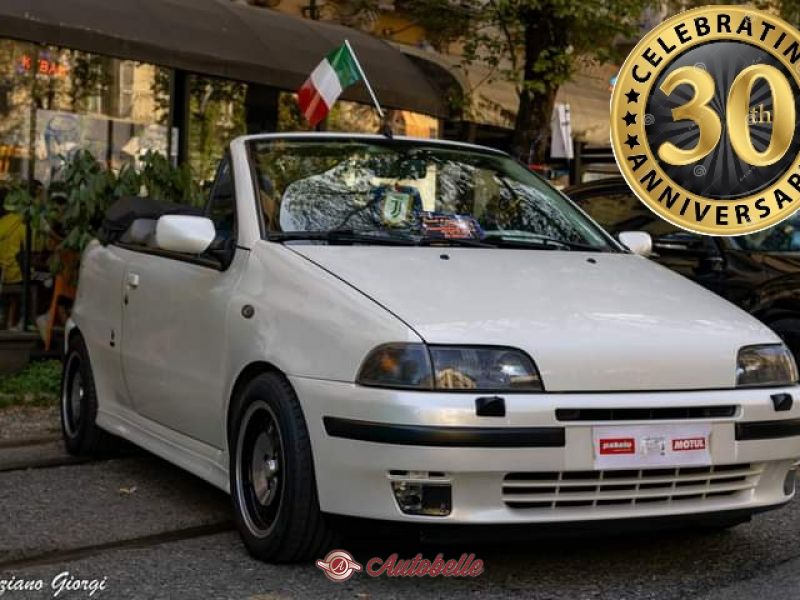
Fiat Punto Cabrio S Bertone [30th Anniversary]
1994 | Car | For sale
€4.000
Fiat Punto Cabrio S Bertone 31th Anniversary,vettura conservata da amatore, perfetta di meccanica e carrozzeria,NON necessita di alcun intervento. Vetri…ID: 360952 | 03/06/2026 | Torino
Roberto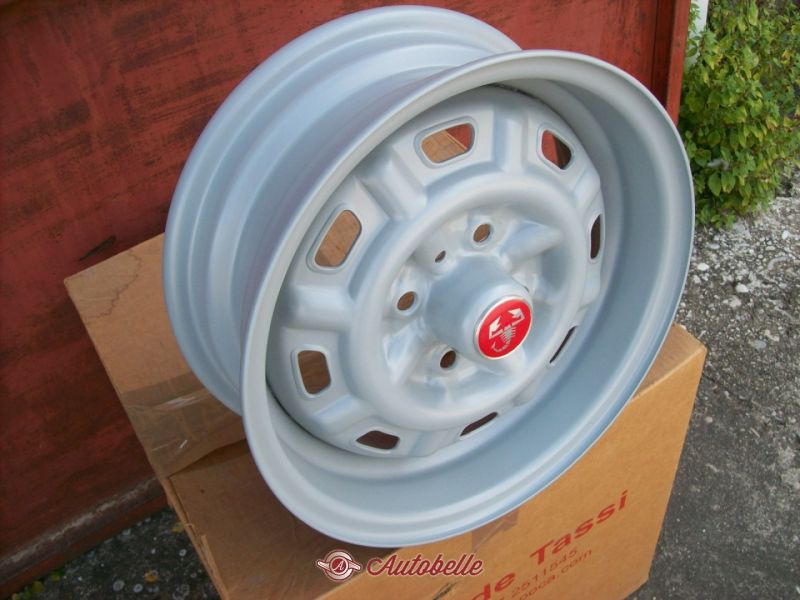
Cerchi CMR Borrani a canale rovesciato 5Jx13 4x98 ET 24 Fiat 850 127 128 X1/9
Spare part | For sale
€450
N. 4 cerchi in acciaio originali Cmr Borrani a canale rovesciato misura 5Jx13 ET 244x98,cm 7 di bordo nel canale esterno,usati,in buone condizioni,codice…ID: 360953 | 03/06/2026 | Ferrara Italy
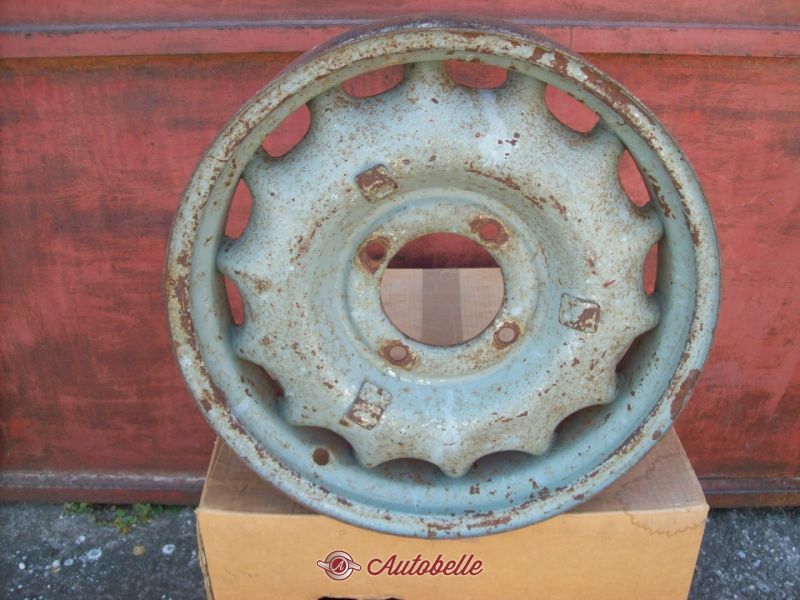
N. 1 Cerchio Fergat fuoriserie 155-400 per Fiat 508 C Nuova Balilla 1100 A B E
Spare part | For sale
€200
N. 1 cerchio in acciaio Fergat Torino misura 155-400,pcd 4x130,foro centrale 10 cm,presenta i segni del tempo e del normale utilizzo,produzione 1939.Per Fiat…ID: 360955 | 03/06/2026 | Ferrara Italy
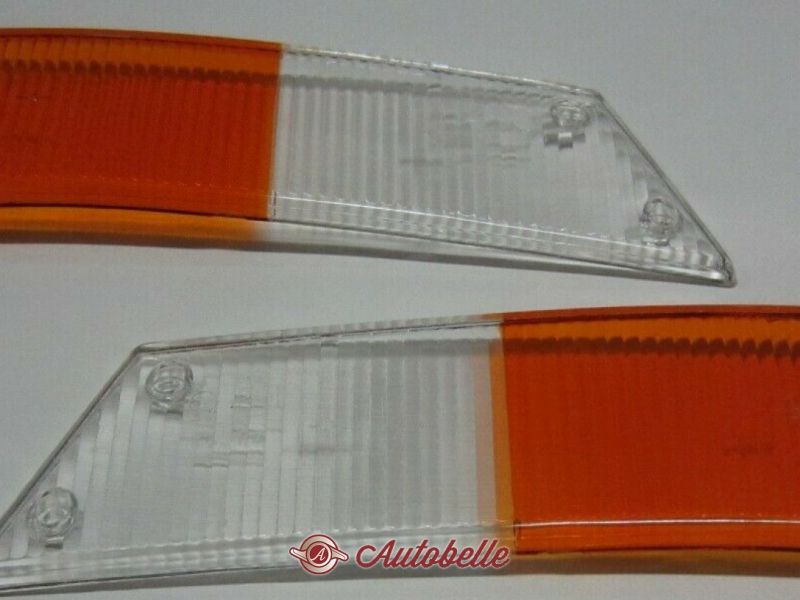
fiat 124 spider coppia plastiche fanalini e frecce ant nuove
Spare part | For sale
fiat 124 spider coppia plastiche fanalini e frecce ant nuove ALTRI RICAMBI DISPONIBILI PER QUESTO SPECIFICO MODELLO FIATID: 360957 | 03/06/2026 | Catanzaro
Roberta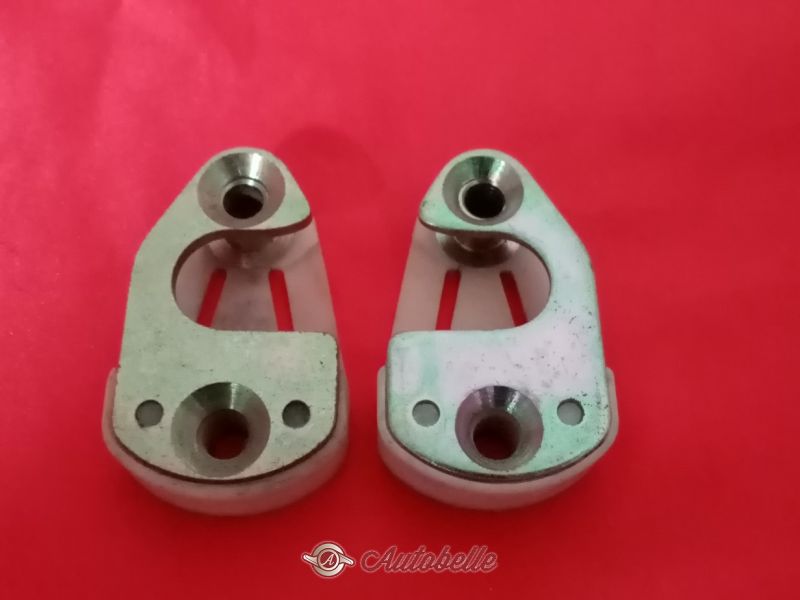
FIAT 124 SPIDER COPPIA SCONTRI PORTA NUOVI DELL'EPOCA
Spare part | For sale
FIAT 124 SPIDER COPPIA SCONTRI PORTA NUOVI DELL'EPOCA ALTRI RICAMBI DISPONIBILI PER AUTO YOUNG TIMERID: 360958 | 03/06/2026 | Catanzaro
Roberta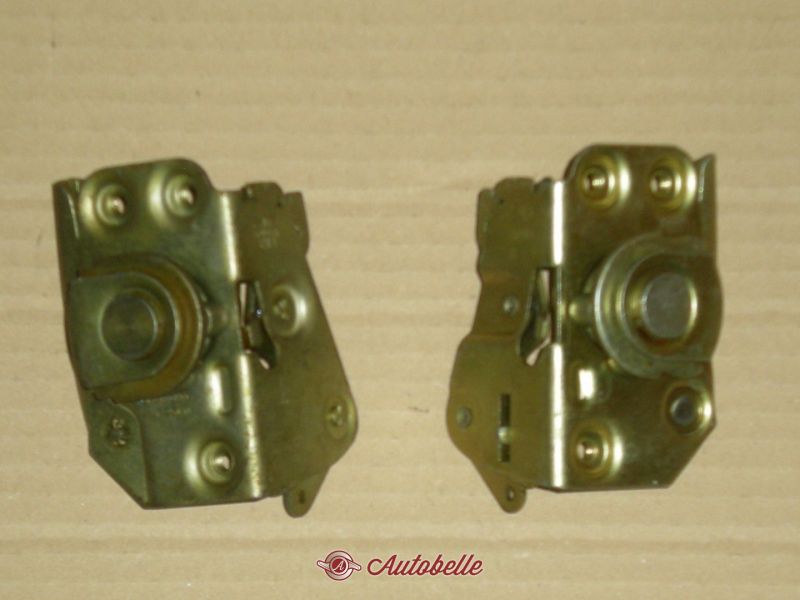
FIAT 124 SPORT serratura prezzo 48 cadauna nuova fondo di magazzino
Spare part | For sale
FIAT 124 SPORT serratura prezzo 48 cadauna nuova fondo di magazzino ALTRI RICAMBI DISPONIBILI PER FIAT 124 EPOCAID: 360959 | 03/06/2026 | Catanzaro
Roberta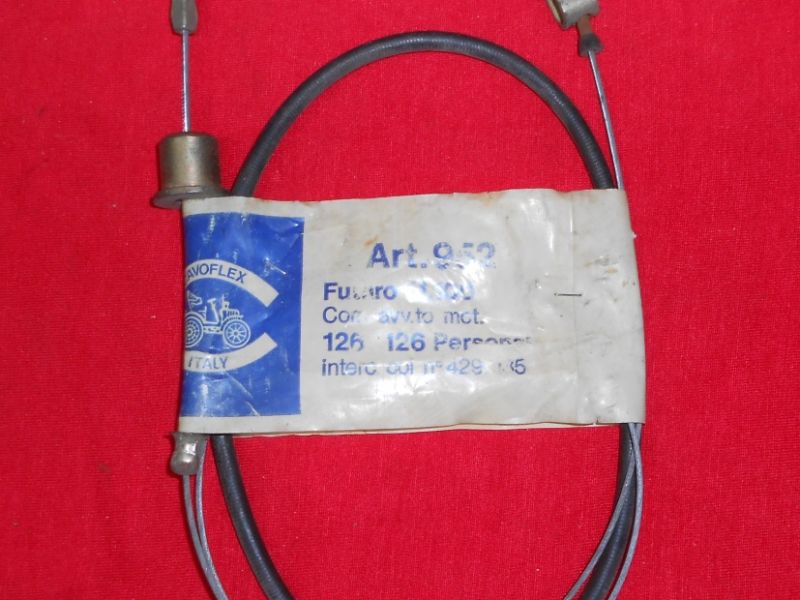
fiat 126 126 personal cavo motorino avviamento nuovo
Spare part | For sale
€18
fiat 126 126 personal cavo motorino avviamento nuovo euro 18 ALTRI RICAMBI DISPONIBILI PER FIAT 126.ID: 360960 | 03/06/2026 | Catanzaro
Roberta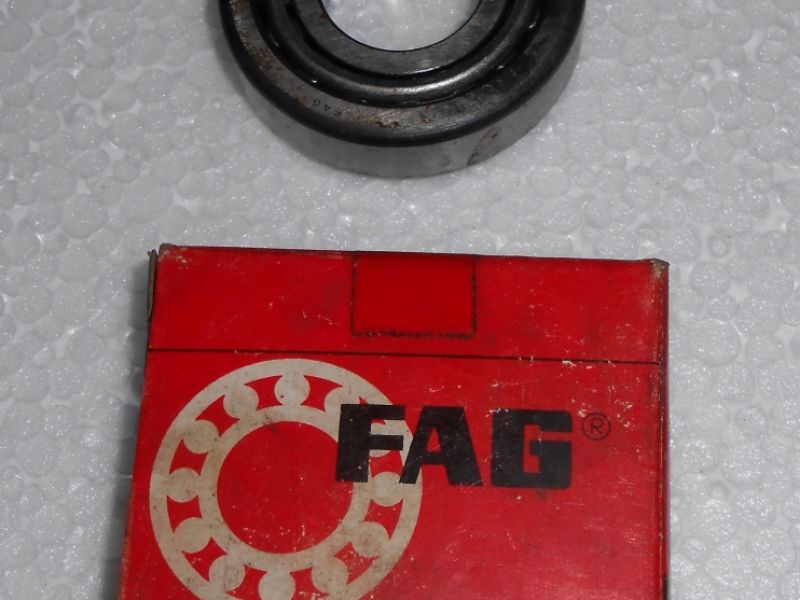
fiat 126 personal cuscinetto nuovo
Spare part | For sale
€22
fiat 126 personal cuscinetto nuovo euro 22 altri ricambi disponibili per tutte le serie fiat 126 nuovi ed usatiID: 360964 | 03/06/2026 | Catanzaro
Roberta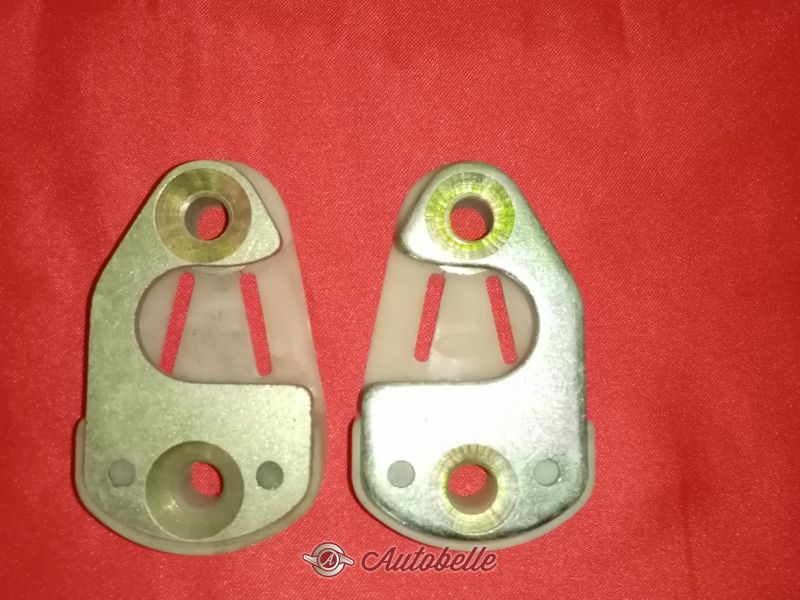
FIAT 127 COPPIA SCONTRI PORTA NUOVI DELL'EPOCA
Spare part | For sale
FIAT 127 COPPIA SCONTRI PORTA NUOVI DELL'EPOCA altri ricambi disponibili per fiat 127 d'epoca nuovi ed usatiID: 360965 | 03/06/2026 | Catanzaro
Roberta
FIAT 127 128 SPECIAL PANDA 30 45 132 124 128 COUPE FRECCIA
Spare part | For sale
FIAT 127 128 SPECIAL PANDA --BLOCKED-- COUPE FRECCIA altri ricambi disponibili per auto epoca nuovi dell epocaID: 360966 | 03/06/2026 | Catanzaro
Roberta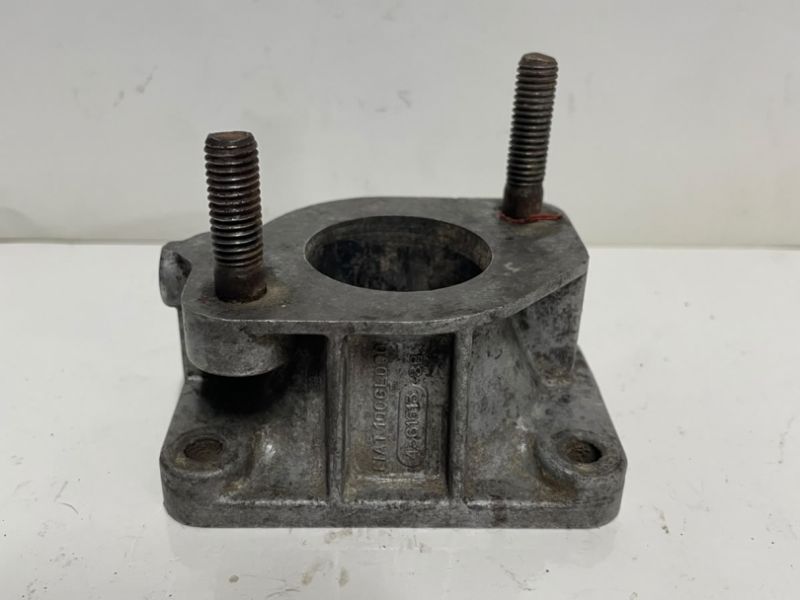
Collettore carburatore Fiat 100GL000 4361613 3B per Fiat 850, Fiat 127, Autobian
Spare part | For sale
€20
Vendo collettore carburatore Fiat 100GL000 --BLOCKED-- 3B per Fiat 850, Fiat 127, Autobianchi A112, e chiedo 20 euro.ID: 360951 | 01/06/2026 | Misterbianco
Andrea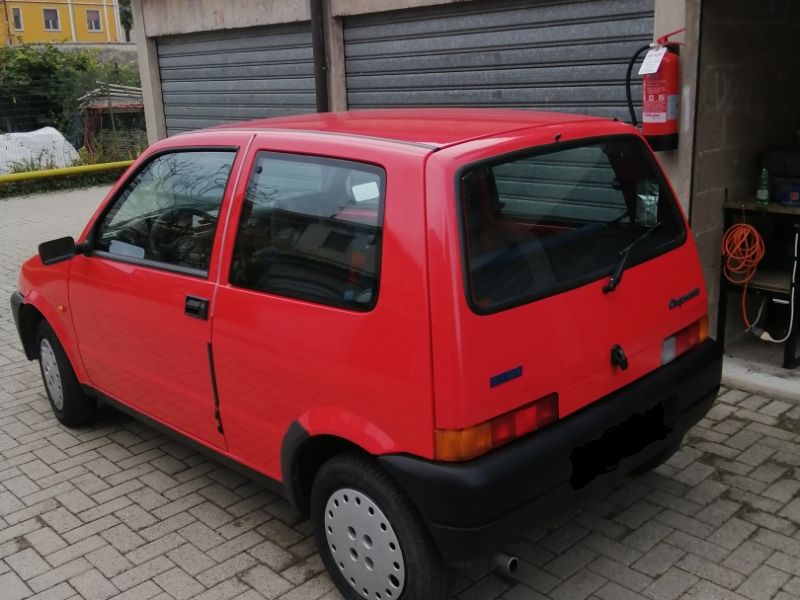
Fiat cinquecento anno 1995 "praticamente nuova"
1995 | Car | For sale
€3.900
FIAT Cinquecento anno 1995. Km.20500 originali Revisionata sino al 2028 e tagliandata Attualmente assicurata e circolante Praticamente nuova,…ID: 360932 | 30/05/2026 | Casale Monferrato
mario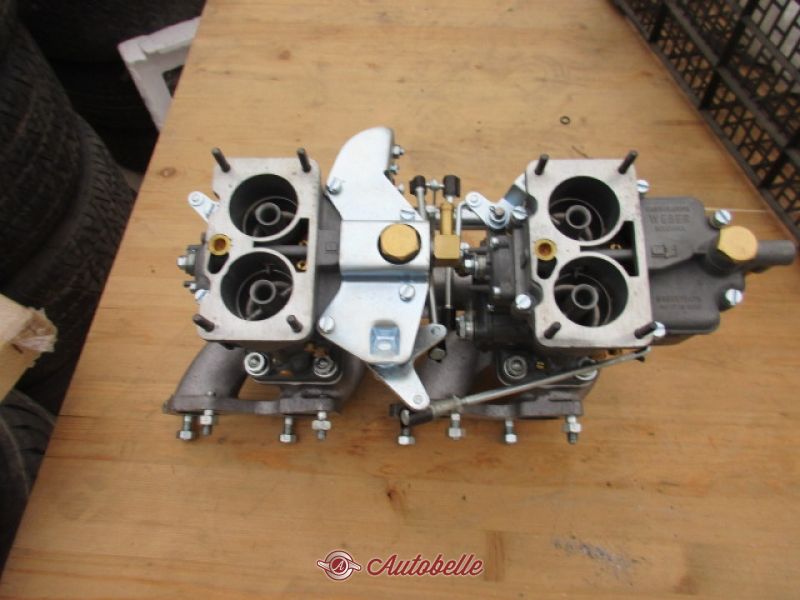
Carburatori e collettore Weber 34dcs
Spare part | For sale
Carburatori e collettore Weber 34DCS 2/3, originali. Prezzo su richiesta. Per ulteriori informazioni, foto e dettagli contattatemi. Pasquale Coppola Coppola…ID: 360916 | 28/05/2026 | Volla (Napoli), Italia
Pasquale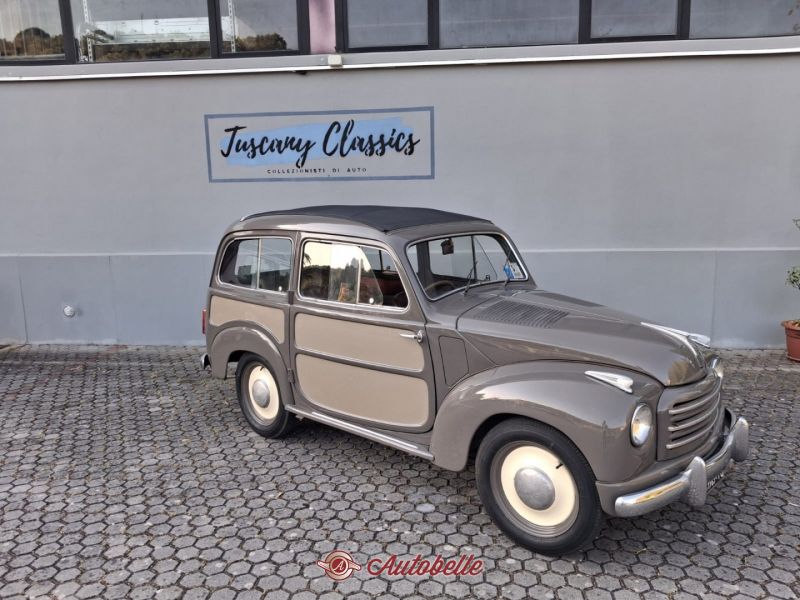
Fiat 500 C Giardinetta Belvedere RHD
1954 | Car | For sale
€9.000
Fiat 500 C Giardinetta Belvedere RHD, originale Guida a Destra. L'auto ha targhe originali Torino di prima immatricolazione, è stata restaurata in passato…ID: 360912 | 28/05/2026 | Vinci
Jonatha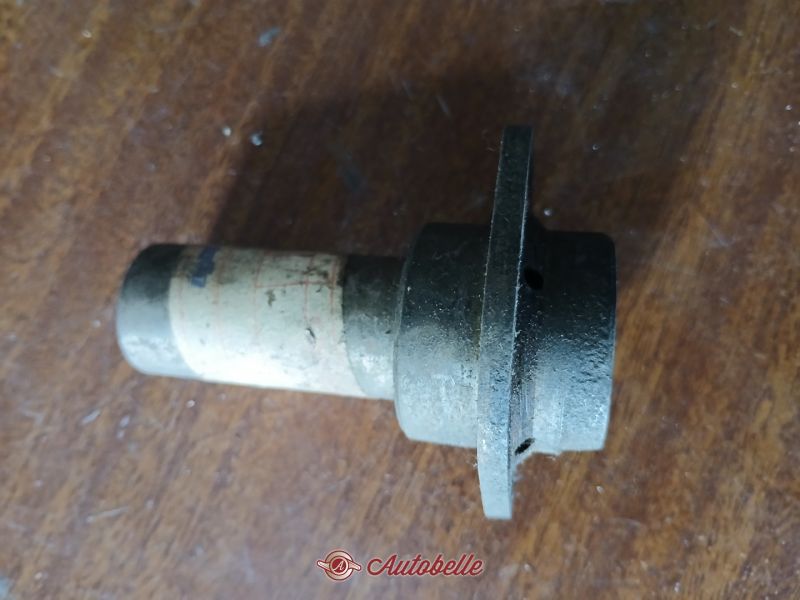
Supporto cuscinetto reggispinta frizione Fiat 600 D/850 4263658
Spare part | For sale
€20
Vendo supporto cuscinetto reggispinta frizione Fiat 600 D/--BLOCKED-- , fondo di magazzino , € 20 più spedizione .ID: 360906 | 28/05/2026 | Catanzaro
Paolo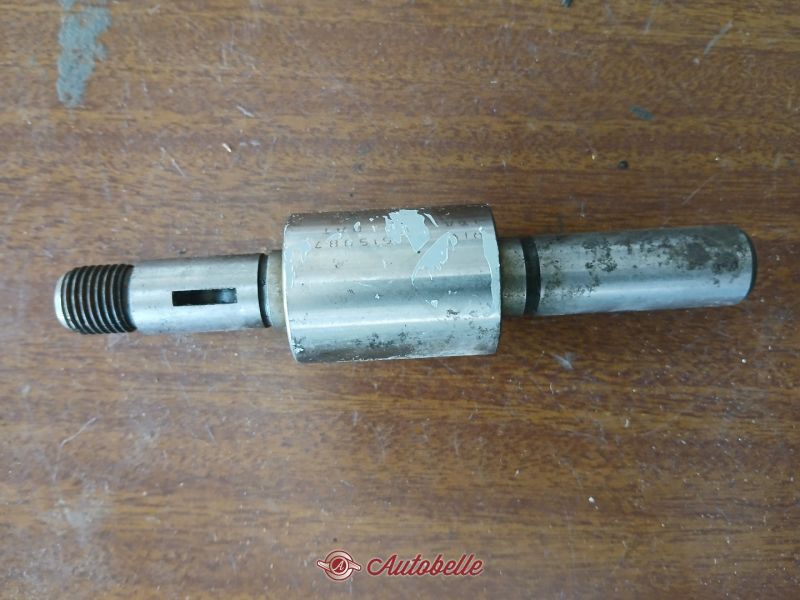
Cuscinetto pompa acqua Fiat 124 Spider/coupè
Spare part | For sale
€30
Vendo cuscinetto pompa acqua Fiat 124 Spider/coupè , nuovo , € 30 più spedizione .ID: 360900 | 27/05/2026 | Catanzaro
Paolo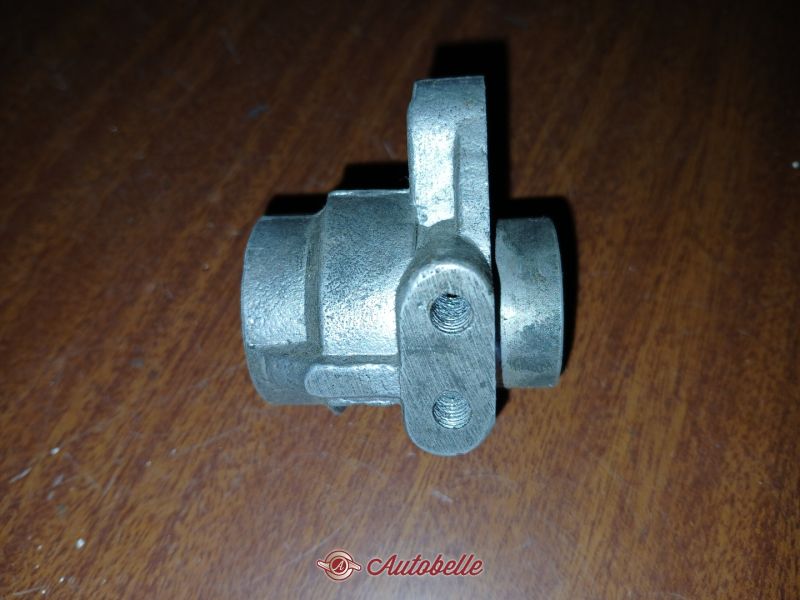
Supporto spinterogeno Fiat 600
Spare part | For sale
€20
Vendo supporto spinterogeno Fiat 600 , fondo di magazzino , condizioni come da foto , € 20 più spedizione .ID: 360904 | 27/05/2026 | Catanzaro
Paolo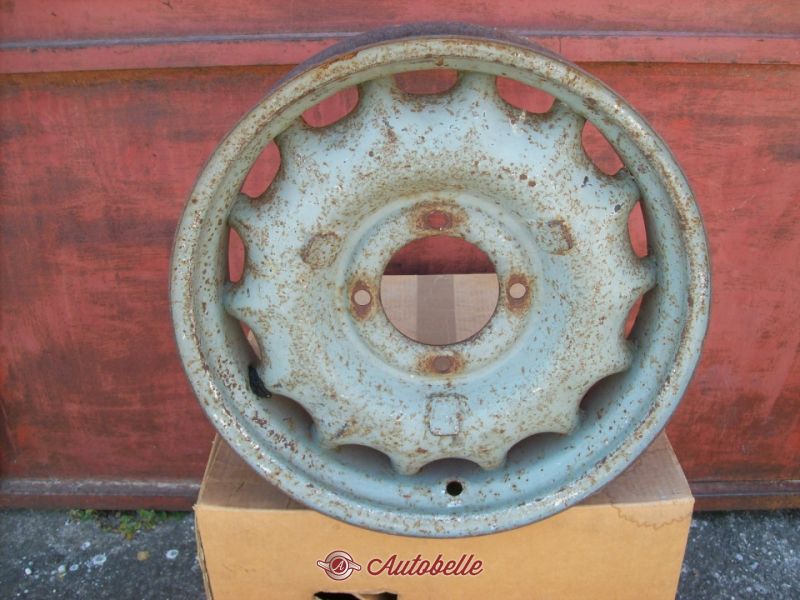
N. 1 Cerchio Fergat fuoriserie 165-400 per Fiat 508 C Nuova Balilla 1100 A B E
Spare part | For sale
€200
N. 1 cerchio in acciaio Fergat Torino misura 165-400,pcd 4x130,foro centrale 10 cm,presenta i segni del tempo e del normale utilizzo,produzione 1942.Per Fiat…ID: 360882 | 26/05/2026 | Ferrara Italy
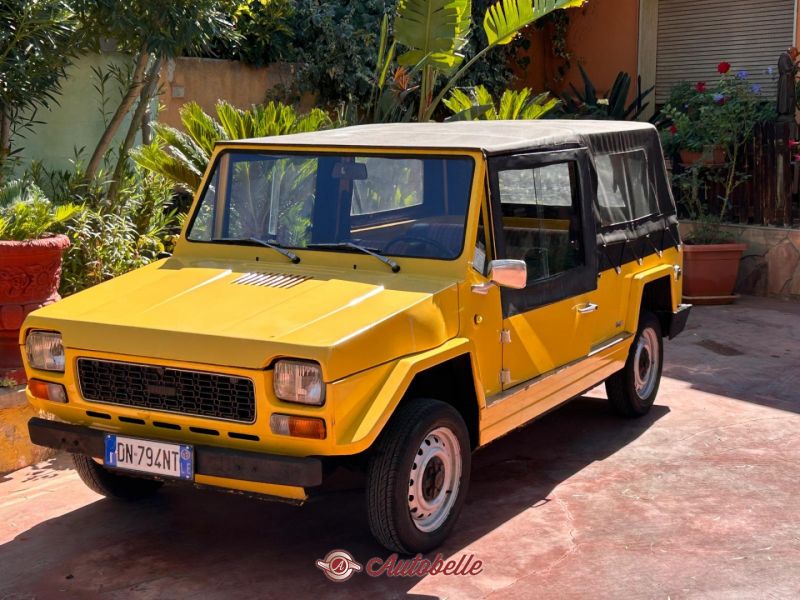
FIAT 127 Fissore Scout (1977) — Documenti Storici — Gallipoli
1977 | Car | For sale
€9.000
Vendesi rarissima Fiat 127 Fissore Scout (Spiaggina), anno di prima immatricolazione 11/1977. Vettura in eccellenti condizioni, ideale per l'estate, collezionisti…ID: 360799 | 26/05/2026 | Gallipoli (Le)
Stefano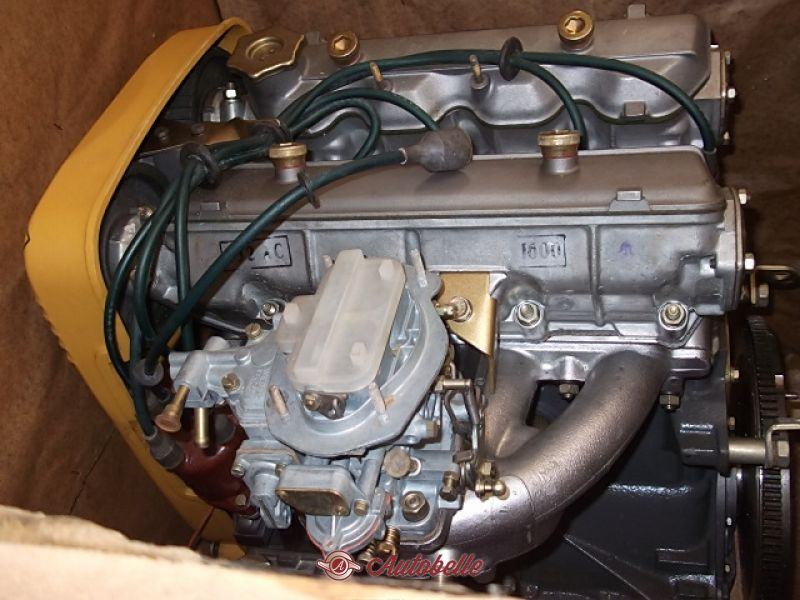
Motore Fiat 124 Sport Spider 1600 NUOVO (d'epoca)
Spare part | For sale
€5.900
Motore Fiat 124 Sport Spider 1600 nuovo con imballo originale mai applicato ad alcuna autovettura completo della documentazione 1973 , il motore è completo…ID: 360879 | 26/05/2026 | Terracina
stefano Montecchi
1934 | Car | For sale
€13.000
Fiat Balilla del 1934 Prima immatricolazione estera, si trova in Italia dal 2014 L'auto si trova in ottime condizioni generali sia di carrozzeria che di…ID: 360856 | 25/05/2026 | Vinci
Jonatha
1996 | Car | For sale
€8.900
Fiat Barchetta del 1996 Vettura con prima immatricolazione estera, si trova in Italia dal 2004. In buone condizioni generali: cappotta nuova, interni…ID: 360816 | 25/05/2026 | Vinci
Jonatha
Scatola guida sterzo Fiat 110 F per Fiat 500 D/F/L/R e Giardiniera
Spare part | For sale
€130
Vendo scatola guida sterzo Fiat 110 F per Fiat 500 D/F/L/R e Giardiniera e chiedo 130 euro.----------------------------------ID: 360818 | 25/05/2026 | Misterbianco
Andrea
Manicotto testa sterzo, con testina sterzo corta esterna e testina sterzo lunga
Spare part | For sale
€25
Vendo manicotto testa sterzo, con testina sterzo corta esterna e testina sterzo lunga interna, per Fiat 500 D/F/L/R, Giardiniera Base F, 126, Autobianchi…ID: 360822 | 25/05/2026 | Misterbianco
Andrea
Tirante sterzo centrale per Fiat 500 D/F/L/R, Giardiniera Base F, 126 e Autobian
Spare part | For sale
€15
Vendo tirante sterzo centrale per Fiat 500 D/F/L/R, Giardiniera Base F, 126 e Autobianchi Bianchina Berlina Base F, Panoramica Base F e Cabriolet Base F e…ID: 360823 | 25/05/2026 | Misterbianco
Andrea
calotta spinterogeno calotta fiat 124 coupe opel kadett record
Spare part | For sale
calotta spinterogeno calotta fiat 124 coupe opel kadett record nuova marca itab altri ricambi disponibili per auto d'epocaID: 360825 | 25/05/2026 | Catanzaro
Roberta
carburatore weber 32 dr 10 sp per fiat 1100 epoca usato
Spare part | For sale
€190
carburatore weber 32 dr 10 sp per fiat 1100 epoca usato euro 190 altri ricambi disponibili per fiat 1100 d h rID: 360830 | 25/05/2026 | Catanzaro
Roberta
CARTER RIPARO MOTORE FIAT 600 D e Zastava 750 SEAT 770 ENGINE
Spare part | For sale
€190
CARTER RIPARO MOTORE FIAT 600 D e Zastava 750 SEAT 770 ENGINE PROTECTION PLATE altri ricambi disponibili per tutte le serie fiat 600ID: 360831 | 25/05/2026 | Catanzaro
Roberta
carburatore weber 32 IMPE4 PER FIAT 1100 D USATO BUONE CONDIZIONI
Spare part | For sale
carburatore weber 32 IMPE4 PER FIAT 1100 D USATO BUONE CONDIZIONI EURO 180 altri ricambi disponibili per fiat 1100 103 d h rID: 360832 | 25/05/2026 | Catanzaro
Roberta
CARTERINO MARMITTA Fiat 600 D E Zastava 750 coperchio scudo termico tubo
Spare part | For sale
CARTERINO MARMITTA Fiat 600 D E Zastava 750 coperchio scudo termico tubo altro ricambi disponibili per fiat 600 DID: 360833 | 25/05/2026 | Catanzaro
Roberta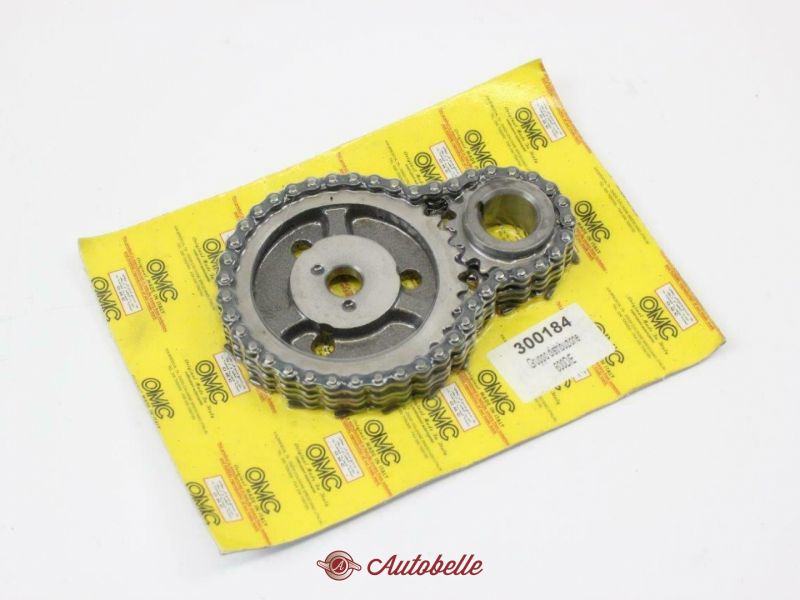
CATENA DISTRIBUZIONE FIAT 600 D e MULTIPLA
Spare part | For sale
CATENA DISTRIBUZIONE FIAT 600 D e MULTIPLA Zastava 750 ENGINE DISTRIBUTION CHAIN KIT TIMING ALTRI RICAMBI DISPONIBILIID: 360839 | 25/05/2026 | Catanzaro
Roberta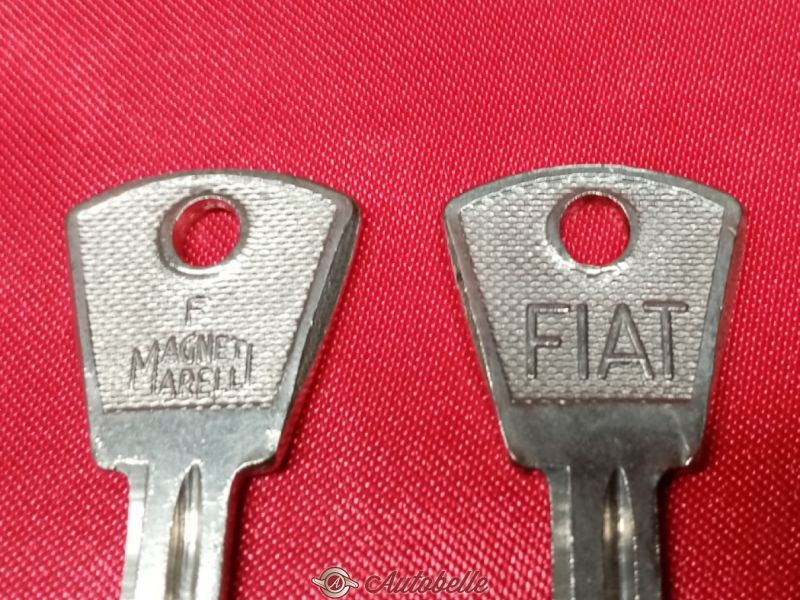
CHIAVE AVVIAMENTO GREZZA PER FIAT 1100 103 E TV TRASFOMABILE
Spare part | For sale
€29
CHIAVE AVVIAMENTO GREZZA PER FIAT 1100 103 E TV TRASFOMABILE EURO 30 CHIAVE AVVIAMENTO IGNITION KEYID: 360840 | 25/05/2026 | Catanzaro
Roberta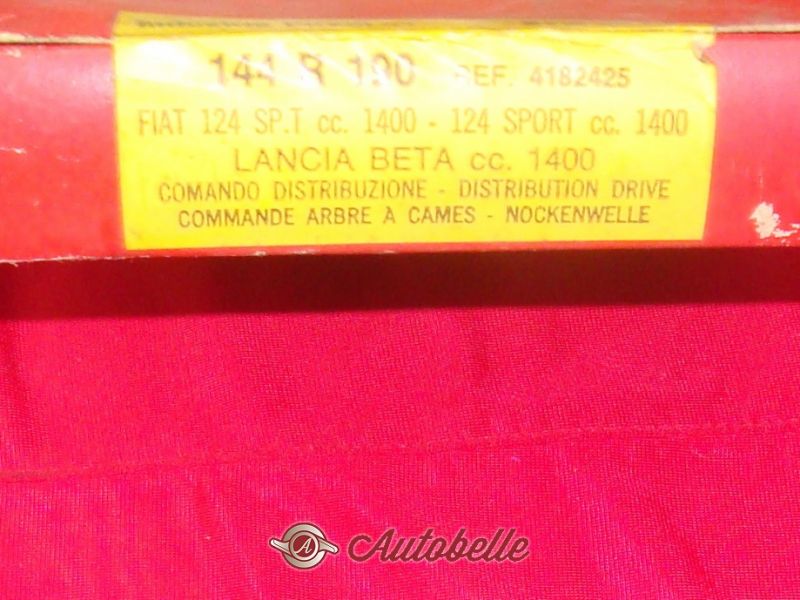
CINGHIA DISTRIBUZIONE FIAT 124 E LANCIA BETA
Spare part | For sale
€29
CINGHIA DISTRIBUZIONE FIAT 124 E LANCIA BETA NUOVA DELL'EPOCA IN CONFEZIONE ORIGINALE ALTRI RICAMBI DISPONIBILIID: 360841 | 25/05/2026 | Catanzaro
Roberta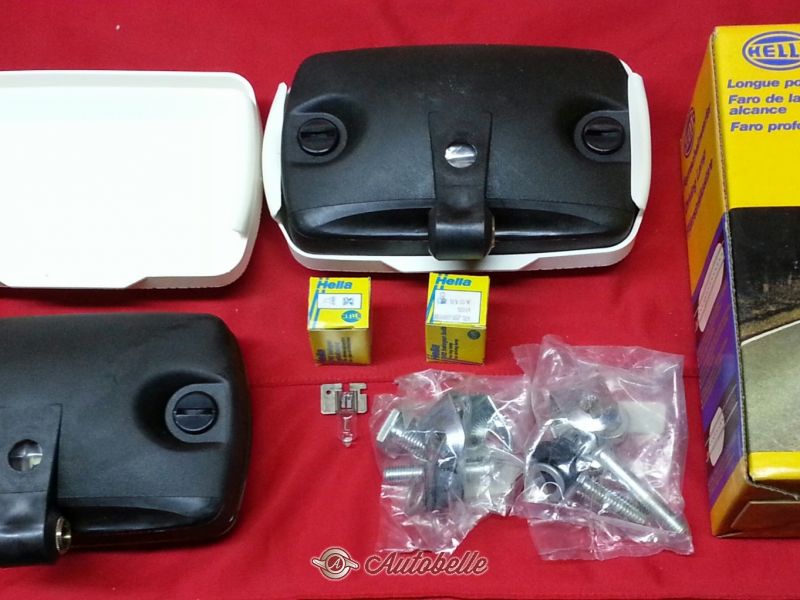
Spare part | For sale
coppia fendinebbia hella forma rettangolare 155 mm FIAT 124 FIAT 125 FIAT 126 FIAT 127 FIAT 128 FIAT 131 FIAT 127ID: 360844 | 25/05/2026 | Catanzaro
Roberta
COPPIA BRACCI TERGICRISTALLO Fiat 500 600 D E Zastava 750 tergicristalli
Spare part | For sale
COPPIA BRACCI TERGICRISTALLO Fiat 500 600 D E Zastava 750 tergicristalli RICAMBIO NUOVO ALTRI RICAMBI DISPONIBILIID: 360845 | 25/05/2026 | Catanzaro
Roberta
coppia fari saturnus tondi per fiat 124 125 128 131 lancia fulvia
Spare part | For sale
coppia fari saturnus tondi per fiat --BLOCKED-- lancia fulvia ecc ecc NUOVI DELL EPOCA CON SCATOLAID: 360847 | 25/05/2026 | Catanzaro
Roberta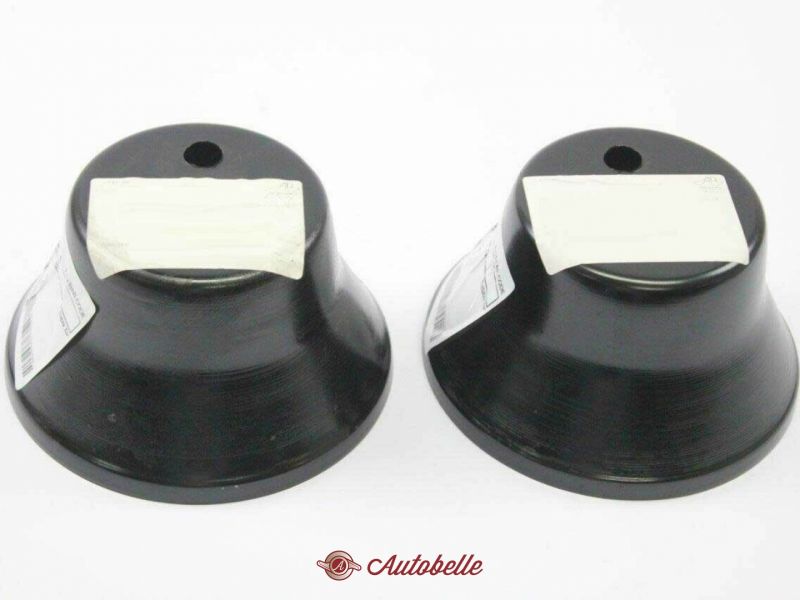
COPPIA SCODELLE FARI FIAT 600 D
Spare part | For sale
COPPIA SCODELLE FARI FIAT 600 D e Zastava 750 headlights cups FRONT LIGHTS ANT DX SX ALTRI RICAMBI DISPONIBILI PER QUESTE VETTUREID: 360848 | 25/05/2026 | Catanzaro
Roberta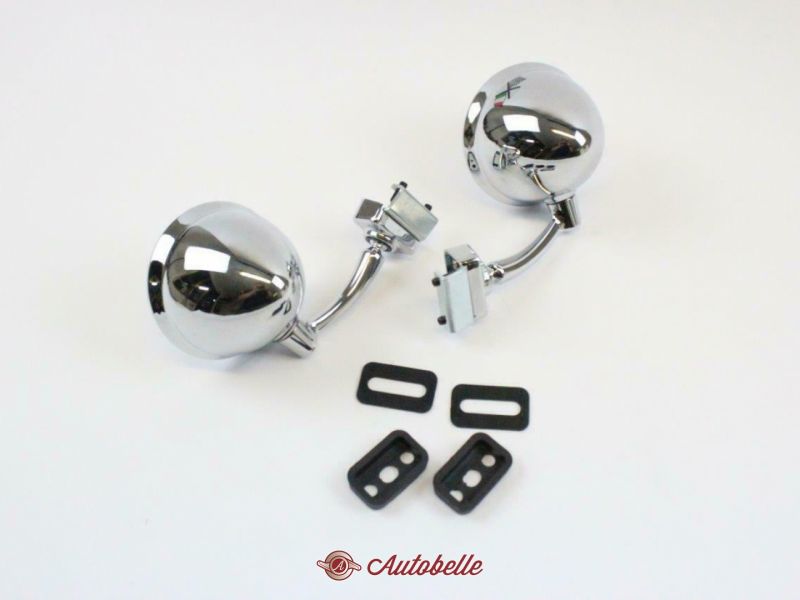
COPPIA SPECCHIETTI A GOCCIA PER FIAT 500 600 850
Spare part | For sale
COPPIA SPECCHIETTI A GOCCIA PER FIAT --BLOCKED-- Zastava 750 side Mirros chromed left right Bullet left rightID: 360850 | 25/05/2026 | Catanzaro
Roberta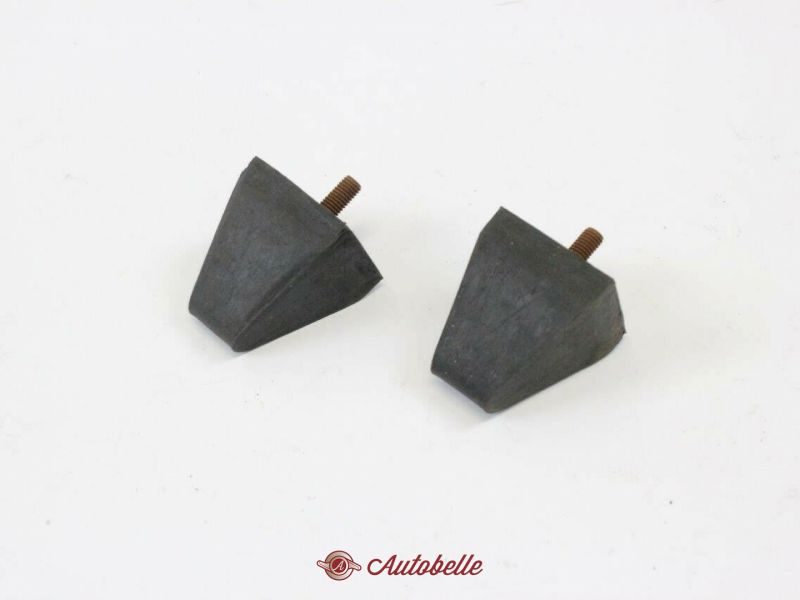
COPPIA TAMPONI FINE CORSA FIAT 600 D
Spare part | For sale
COPPIA TAMPONI FINE CORSA FIAT 600 D e Zastava 750 850 BERLINA SPECIAL REAR RUBBER dump STOP 2x ricambio nuovoID: 360851 | 25/05/2026 | Catanzaro
Roberta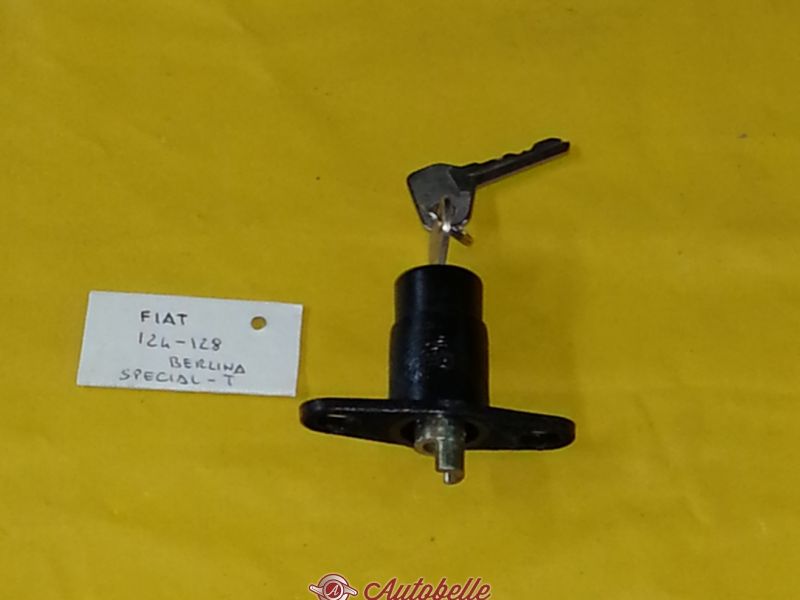
fiat 124 128 berlina special t serratura cofano
Spare part | For sale
fiat 124 128 berlina special t serratura cofano altri ricambi disponibili per fiat 124, fiat 125, fiat 126 e fiat 128ID: 360852 | 25/05/2026 | Catanzaro
Roberta
faro alogeno saturnus di forma rettangolare solo 1 pezzo disponibile
Spare part | For sale
faro alogeno saturnus di forma rettangolare solo 1 pezzo disponibile fiat 124 fiat 125 alfa giulia giulietta alfetta NOSID: 360853 | 25/05/2026 | Catanzaro
Roberta
Fiat 500 L Lusso – Conservata Originale 1972
1972 | Car | For sale
€7.300
Si prega di lasciare sempre un numero di telefono nelle richieste di informazioni, così da poter essere ricontattati. Fiat 500 L Lusso – Conservata Originale –…ID: 360791 | 21/05/2026 | Nervesa Della Battaglia
Nervesauto srl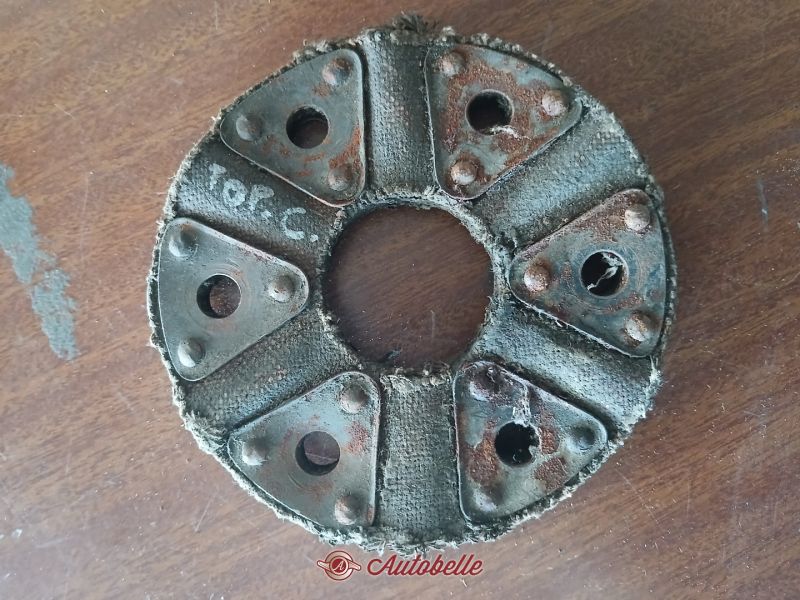
Giunto albero trasmissione Fiat 500 A/B/C/Belvedere
Spare part | For sale
€40
Vendo giunto albero trasmissione Fiat 500 A/B/C/Belvedere , usato , condizioni come da foto , € 40 più spedizione .ID: 360781 | 21/05/2026 | Catanzaro
Paolo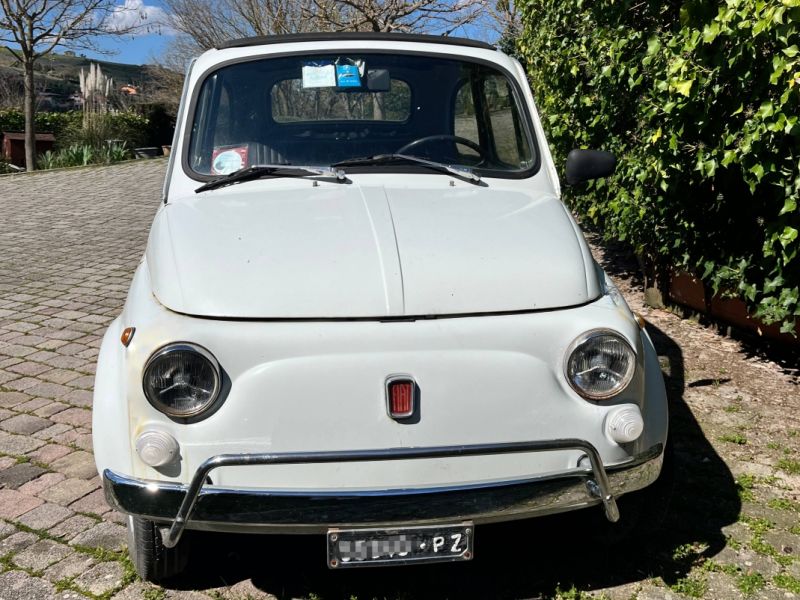
Fiat 500 L 1970 Funzionante Tutto originale
1970 | Car | For sale
€4.500
Vendo Fiat 500 L del 1970.. Auto con targa originale e componenti originali. Già utilizzabile. Lavori recenti (2025): eseguiti interventi meccanici ed elettrici…ID: 360755 | 20/05/2026 | Potenza
CARLO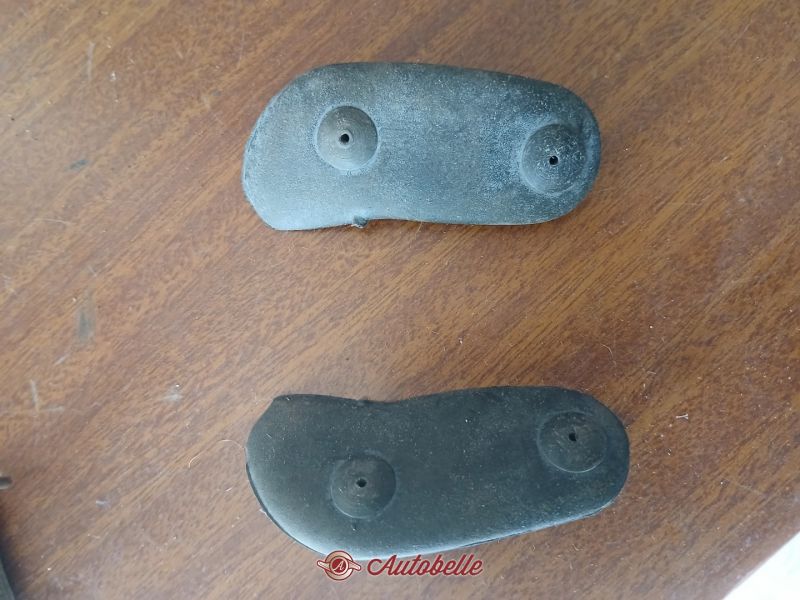
Coppia guarnizioni molla cofano anteriore Fiat 127 4240299
Spare part | For sale
€10
Vendo coppia guarnizioni molla cofano anteriore Fiat --BLOCKED-- nuove , € 10 più spedizione .ID: 360757 | 20/05/2026 | Catanzaro
Paolo
FIAT X1/9 FIVE SPEED BERTONE SUNSHINE 1989
1989 | Car | For sale
€20.500
Proponiamo una delle ultime Fiat X1/9 Five Speed Bertone Sunshine immatricolate nel 1989. A partire dal 1988 i modelli X1/9 subirono gli ultimi cambiamenti…ID: 355027 | 03/05/2025 | Brescia
Carlo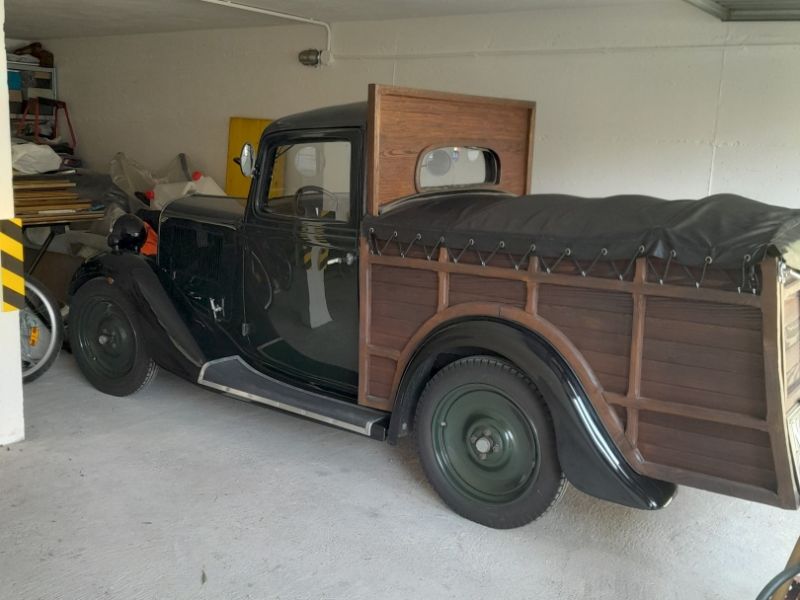
RARA Fiat Balilla 508 B Autocarro del 1935
1935 | Car | For sale
€19.900
Rara Balilla 508 B Autocarro 1000cc verde cassone in legno completamente restaurata perfettamente funzionante e perfetta in tutte le sue parti.ID: 360754 | 19/05/2026 | S. Michele Extra
Roberto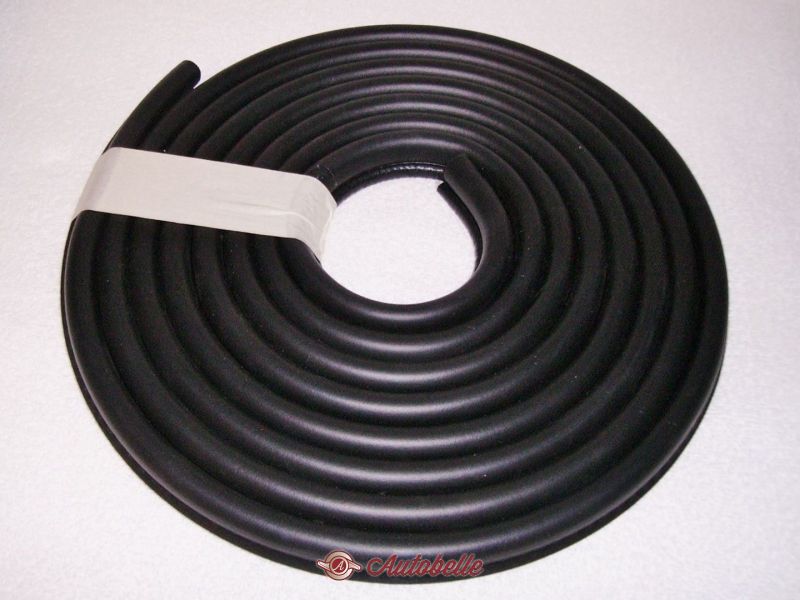
GUARNIZIONE GIRO PORTA FIAT 124-850 - DINO SPIDER 1500
Spare part | For sale
GUARNIZIONE GIRO PORTA FIAT 124-850 - DINO SPIDER 1500 Cabrio DOOR SEAL GUARNIZIONE PORTA RICAMBIO DI ALTA QUALITAID: 360715 | 19/05/2026 | Catanzaro
Roberta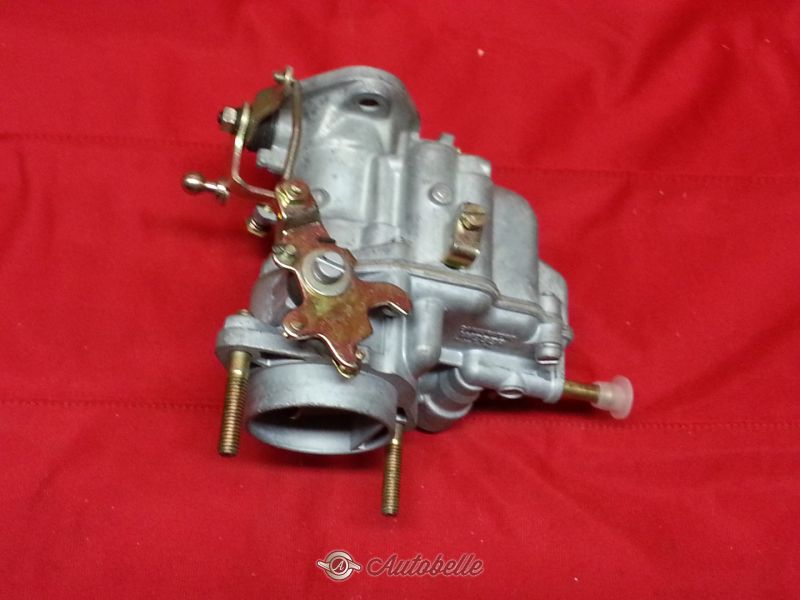
CARBURATORE Fiat 850 Sedan, Fiat 850 Berlina FIAT 900 T Carburetor WEBER 30 ICF
Spare part | For sale
CARBURATORE Fiat 850 Sedan, Fiat 850 Berlina FIAT 900 T Carburetor WEBER 30 ICF altri ricambi disponibili per fiat 850 berlinaID: 360720 | 19/05/2026 | Catanzaro
Roberta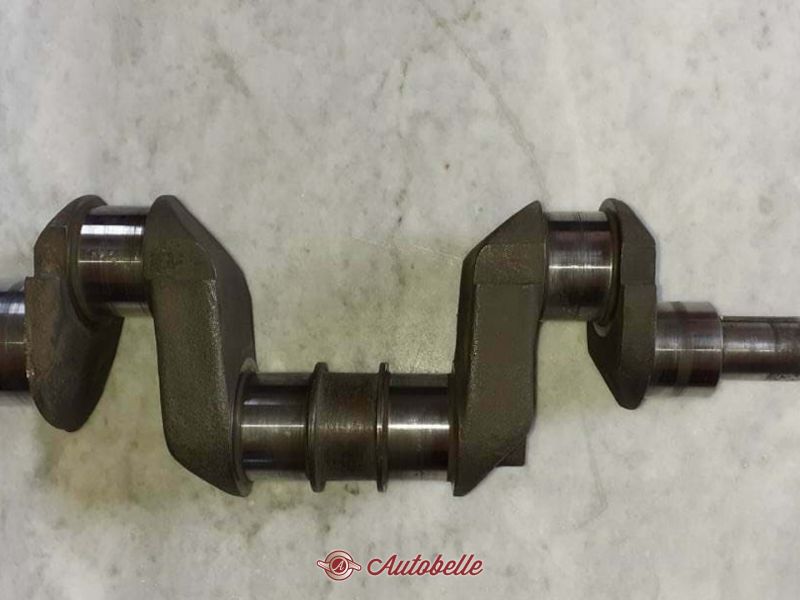
ALBERO MOTORE FIAT 500 B-C TOPOLINO E BELVEDERE. usato da rettificare
Spare part | For sale
ALBERO MOTORE FIAT 500 B-C TOPOLINO E BELVEDERE. usato da rettificare altri ricambi disponibili per fiat topolino belvedereID: 360721 | 19/05/2026 | Catanzaro
Roberta